
Understanding Results
Test Indicators & Targets
Plain-language explanations of laboratory indicators: what they measure, when they are tested, and how to read results responsibly. Reference ranges vary by laboratory and method — we never provide a universal normal value or a diagnosis.
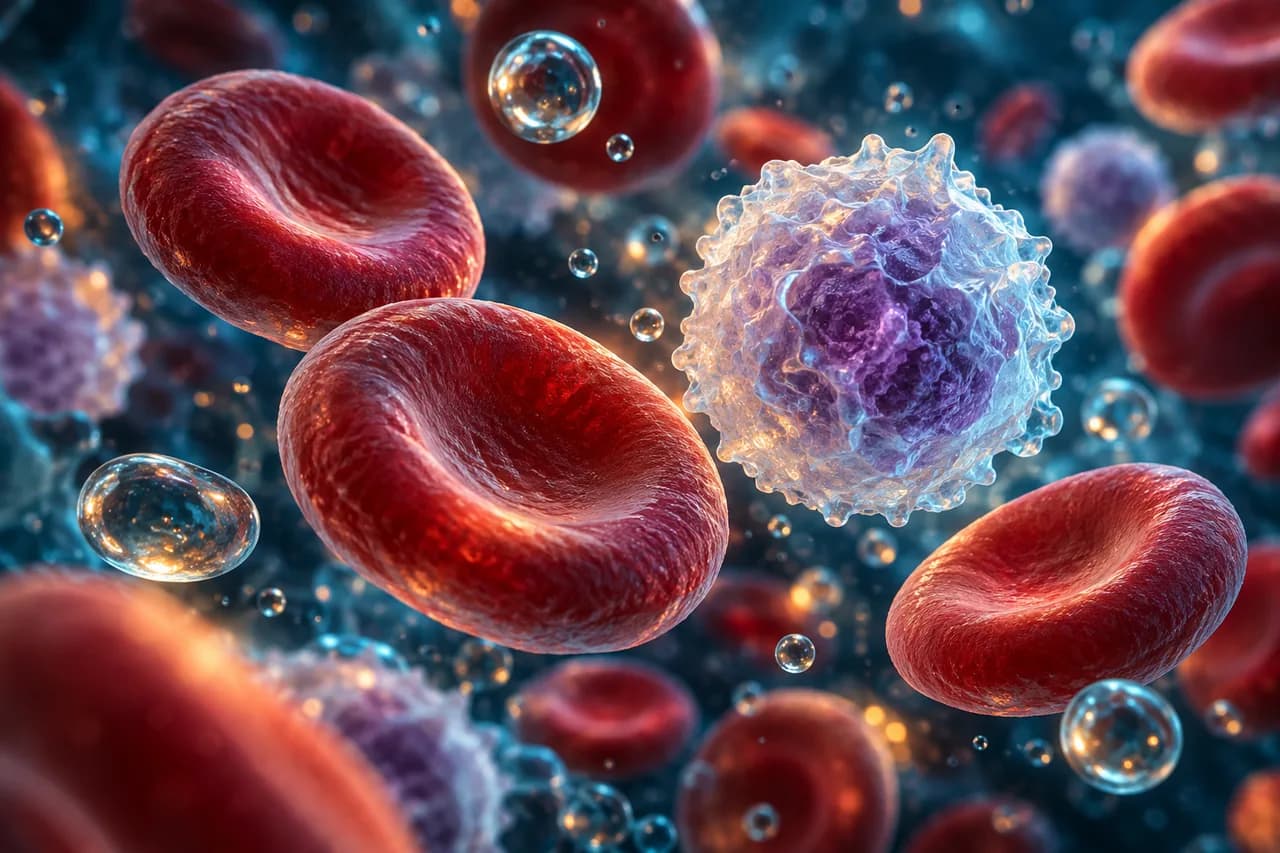
BI25-OH Vitamin DThe main circulating vitamin D metabolite — the standard measure of vitamin D status.BI5'-Nucleotidase5'-nucleotidase (574 aa, ~63 kDa) is encoded by the human NT5E gene. This protein is involved in the conversion of nucleotides to nucleosides.BIABL1 GeneThis gene is involved in cell adhesion, differentiation, division and stress response.BIABL2 GeneThis gene plays a role in signal transduction.BIAcid PhosphataseA family of phosphatases that add monophosphates to substrates. The optimal pH for activity of these enzymes is below 7.BIActivated Partial Thromboplastin TimeA measurement of the length of time that it takes for clotting to occur when activating reagents are added to a plasma specimen. The test is partial due to the absence of tissue factor (Factor III) from the reaction mixture.BIAdiponectinAdiponectin (244 aa, ~26 kDa) is encoded by the human ADIPOQ gene. This protein is involved in the modulation of both glucose metabolism and lipid homeostasis.BIAKT1 GeneThis gene is involved in signal transduction and negative regulation of apoptosis. It also plays a role in glucose transport, glycogen synthesis, protein synthesis and neuronal survival.BIAKT2 GeneThis gene plays a role in glucose homeostasis and the inhibition of apoptosis.BIAKT3 GeneThis gene is involved in signal transduction and the inhibition of apoptosis.BIAlanineA small non-essential amino acid in humans, Alanine is one of the most widely used for protein construction and is involved in the metabolism of tryptophan and vitamin pyridoxine. Alanine is an important source of energy for muscles and central nervous system, strengthens the immune system, helps in the metabolism of sugars and organic acids, and displays a cholesterol-reducing effect in animals. (NCI04)BIAlanine AminotransferaseA family of pyridoxal phosphate-dependent enzymes involved in cellular nitrogen metabolism, amino acid metabolism, and liver gluconeogenesis. Alanine aminotransferase specifically and reversibly catalyzes the transfer of an amino group from L-alanine to alpha-ketoglutarate forming pyruvate and L-glutamate.BIAlbuminA family of globular proteins found in many plant and animal tissues that tend to bind a wide variety of ligands. Albumin is the main protein in blood plasma. Low serum levels occur in conditions associated with malnutrition, inflammation and liver and kidney diseases.BIAldolaseA family of enzymes that either create or cleave aldols (aldehyde alcohols).BIAldosteroneA mineralocorticoid hormone produced by aldosterone synthase (CYP11B2) in the zona glomerulosa of the adrenal cortex. Aldosterone binds to mineralocorticoid receptors (MR; NR3C2) and MR-aldosterone complexes regulate the expression of genes involved in the retention of sodium, the secretion of potassium, and water reabsorption, all of which may result increased blood pressure.BIAlkaline PhosphataseAn enzyme that catalyses the cleavage of inorganic phosphate non-specifically from a wide variety of phosphate esters and having a high (greater than 8) pH optimum.BIALK GeneThis gene is involved in brain development and neuronal specificity.BIAlpha-1-Acid Glycoprotein 1Alpha-1-acid glycoprotein 1 (201 aa, ~24 kDa) is encoded by the human ORM1 gene. This protein may play a role in immunosuppression and small molecule transport.BIAlpha-2-MacroglobulinAlpha-2-macroglobulin (1474 aa, ~163 kDa) is encoded by the human A2M gene. This protein has activity as a protease inhibitor.BIAlpha-FetoproteinAlpha-fetoprotein (609 aa, ~69 kDa) is encoded by the human AFP gene. This protein plays a role in the binding to copper, nickel, bilirubin and fatty acids in the fetal circulation.BIAlpha-TocopherolThe orally bioavailable alpha form of the naturally-occurring fat-soluble vitamin E, with potent antioxidant and cytoprotective activities. Upon administration, alpha-tocopherol neutralizes free radicals, thereby protecting tissues and organs from oxidative damage. Alpha-tocopherol gets incorporated into biological membranes, prevents protein oxidation and inhibits lipid peroxidation, thereby maintaining cell membrane integrity and protecting the cell against damage. In addition, alpha-tocopherol inhibits the activity of protein kinase C (PKC) and PKC-mediated pathways. Alpha-tocopherol also modulates the expression of various genes, plays a key role in neurological function, inhibits platelet aggregation and enhances vasodilation. Compared with other forms of tocopherol, alpha-tocopherol is the most biologically active form and is the form that is preferentially absorbed and retained in the body.BIAluminumA metallic element in the boron group with atomic symbol Al, atomic number 13, and atomic weight 27.BIAmikacinA broad-spectrum semi-synthetic aminoglycoside antibiotic, derived from kanamycin with antimicrobial property. Amikacin irreversibly binds to the bacterial 30S ribosomal subunit, specifically locking 16S rRNA and S12 protein within the 30S subunit. This leads to interference with translational initiation complex and misreading of mRNA, thereby hampering protein synthesis and resulting in bactericidal effect. This agent is usually used in short-term treatment of serious infections due to susceptible strains of Gram-negative bacteria.BIAmmoniaAn inorganic compound composed of a single nitrogen atom covalently bonded to three hydrogen atoms that is an amidase inhibitor and neurotoxin. It is both manufactured and produced naturally from bacterial processes and the breakdown of organic matter. Ammonia is used in many industrial processes, and as a fertilizer and refrigerant. It is characterized as a colorless gas or compressed liquid with a pungent odor and exposure occurs by inhalation, ingestion, or contact.BIAmylaseAmylase is an enzyme which helps digest glycogen and starch. It is produced mainly in the pancreas and salivary glands.BIAndrostenedioneA steroid hormone synthesized by the adrenal glands and the gonads from either 17-alpha-hydroxyprogesterone or dehydroepiandrosterone and is a precursor of testosterone.BIANPEP wt AlleleHuman ANPEP wild-type allele is located within 15q25-q26 and is approximately 30 kb in length. This allele, which encodes aminopeptidase N protein, is involved in the modulation of peptide hydrolysis and human infection by cytomegalovirus and coronavirus.BIAnti-Beta-2 Glycoprotein 1 AntibodyAn antiphospholipid autoantibody that reacts with beta-2-glycoprotein 1, and a member of family of autoantibodies that cause antiphospholipid antibody syndrome and may be found in system lupus erythematosus.BIAnticardiolipin AntibodyAn autoantibody that reacts with cardiolipin. Different immunoglobulin subclasses and isotypes are associated with different diseases and conditions. Some anticardiolipin antibodies prolong phospholipid dependent clotting while others are associated with spontaneous abortion.BIAnti-ds DNA AntibodyA type of antinuclear antibody that specifically targets double stranded DNA; while these antibodies are sometimes detectable in multiple different autoimmune disorders, their presence is generally considered highly specific for systemic lupus erythematosus.BIAnti-Histidine-tRNA Ligase, Cytoplasmic AutoantibodyAn autoantibody that recognizes histidyl-tRNA synthetase, cytoplasmic protein.BIAnti-La AntibodyAn antinuclear antibody directed against a 47 kDa RNA-binding protein in the nucleus. They can be associated with Sjogren syndrome and system lupus erythematosus. Maternal anti-La antibody positivity can be associated with neonatal lupus.BIAntineutrophil Cytoplasmic AntibodyAn autoantibody that recognizes antigens found in the cytoplasm of neutrophils.BIAnti-Ribonucleoprotein AntibodyAn antinuclear antibody directed against U1 snRNP, that is strongly associated with mixed connective tissue disease and commonly detected in lupus.BIAnti-Ro AntibodyAn antinuclear antibody directed against 52 or 60 kDa RNA-binding proteins in the nucleus. They can be associated with multiple autoimmune disorders, primarily Sjogren syndrome and system lupus erythematosus. Maternal anti-Ro antibody positivity can be associated with neonatal lupus.BIAnti-Smith AntibodyAn antinuclear antibody directed against small nuclear ribonucleoproteins (snRNPs), that is highly specific, but has poor sensitivity for systemic lupus erythematosus (SLE). Presence of anti-Sm antibodies are associated with central nervous system, kidney, lung and cardiac involvement in SLE, but are not indicative of disease activity.BIAntithrombin-IIIAntithrombin-III (464 aa, ~53 kDa) is encoded by the human SERPINC1 gene. This protein is involved in the negative regulation of serine proteinase activity during blood coagulation.BIAPC GeneThis gene plays a role in signal transduction. It is involved in both adhesion and migration of cells.BIAPOE GeneThis gene is involved in lipid transport and metabolism.BIApolipoprotein A-IApolipoprotein A-I (267 aa, ~31 kDa) is encoded by the human APOA1 gene. This protein is involved in the transport and metabolism of cholesterol.BIAppetite-Regulating HormoneAppetite-regulating hormone (117 aa, ~13 kDa) is encoded by the human GHRL gene. This protein is involved in satiety, thirst and anxiety and regulating growth hormone release.BIAR GeneThis gene plays a role in the transcriptional activation of androgen responsive genes.BIArginineAn essential amino acid in juvenile humans, Arginine is a complex amino acid, often found at active site in proteins and enzymes due to its amine-containing side chain. Arginine may prevent or treat heart and circulatory diseases, combat fatigue, and stimulate the immune system. It also boosts production of nitric oxide, relaxing blood vessels, and treating angina and other cardiovascular problems. Arginine is also an important intermediate in the urea cycle and in detoxification of nitrogenous wastes. (NCI04)BIARID1A GeneThis gene plays a role in transcriptional regulation.BIARID1B GeneThis gene plays a role in both chromatin remodeling and transcriptional regulation.BIARID2 GeneThis gene is involved in both transcriptional regulation and chromatin remodeling.BIArsenicA naturally occurring allotropic pnictogen and metalloid trace element with atomic symbol As, atomic number 33, and atomic weight 74.92 that is found in water, air, food, and soil, and has a role as a micronutrient. Arsenic, which is highly toxic with acute or chronic exposure to moderate or high levels through an unknown mechanism of action, is used in many industrial processes, as well as in pharmaceuticals, feed additives, and pesticides. It is characterized as a white, yellow, gray metallic, or black solid that is odorless. Exposure occurs by inhalation, ingestion, or contact.BIAscorbic AcidA natural water-soluble vitamin (Vitamin C). Ascorbic acid is a potent reducing and antioxidant agent that functions in fighting bacterial infections, in detoxifying reactions, and in the formation of collagen in fibrous tissue, teeth, bones, connective tissue, skin, and capillaries. Found in citrus and other fruits, and in vegetables, vitamin C cannot be produced or stored by humans and must be obtained in the diet. (NCI04)BIAspartate AminotransferaseA family of pyridoxal phosphate-dependent enzymes involved in amino acid metabolism and in the urea and tricarboxylic acid cycles. Aspartate aminotransferase specifically and reversibly catalyzes the transfer of an amino group from L-aspartate to alpha-ketoglutarate forming oxaloacetate and L-glutamate.BIASXL1 GeneThis gene may be involved in both transcriptional regulation and chromatin remodeling.BIATM GeneThis gene is involved in apoptosis, DNA repair and cell cycle regulation.BIATR GeneThis gene is involved in cell cycle checkpoints and DNA recombination.BIATRX GeneThis gene plays a role in the regulation of both chromatin remodeling and transcription.BIAXIN2 GeneThis gene is involved in signal transduction and plays a role in development.BIBAP1 GeneThis gene is involved in cellular growth regulation and is purported to have tumor suppression activity.BIBARD1 GeneThis gene plays a role in cellular response and is susceptible to oncogenic mutations in breast and ovarian cancers.BIBCL2 GeneThis gene is involved in apoptotic regulation. Overexpression of this gene promotes the pathogenesis of B-Cell lymphomas, due to anti-apoptotic activity.BIBCL6 GeneThis gene is involved in transcriptional repression and plays a role in the modulation of B-cell responses.BIBCOR GeneThis gene plays a role in the repression of gene transcription.BIBCR/ABL1 Fusion GeneA fusion gene that results from a translocation t(9;22)(q34;q11) that fuses the 5' part of the BCR gene to the 5' side of exon 2 of the ABL1 gene. There are 3 potential products that are formed depending on which BCR exon has the breakpoint. All of the protein products have constitutively active tyrosine kinase activity. This fusion is associated with both chronic myeloid leukemia and acute lymphoblastic leukemia.BIBeta-2-Glycoprotein 1Beta-2-glycoprotein 1 (345 aa, ~38 kDa) is encoded by the human APOH gene. This protein is involved in binding to phospholipids, glycosaminoglycans and other negatively charged substances.BIBeta-2-MicroglobulinBeta-2-microglobulin protein (119 aa, ~14 kDa) is encoded by the human B2M gene. This protein plays a role in immune responses and is a key component of major histocompatibility complex class I molecules. The protein is localized to the surface of cells and is utilized as a prognostic marker in persons with cancers that involve white blood cells. The polypeptide is also used as a marker in kidney damage diagnosis and in the detection of viral infection.BIBilirubinA dark orange, yellow pigment that is the product of the breakdown of iron in the blood; it is conjugated in the liver and excreted in the bile.BIBiotinHexahydro-2-oxo-1H-thieno(3,4-d)imidazole-4-pentanoic acid. Growth factor present in minute amounts in every living cell. It occurs mainly bound to proteins or polypeptides and is abundant in liver, kidney, pancreas, yeast, and milk. The biotin content of cancerous tissue is higher than that of normal tissue.BIBIRC3 GeneThis anti-apoptotic gene regulates apoptotic activity. BIRC3 gene promotes tumor cell survival.BIBLM GeneThis gene plays a role in DNA unwinding and recombination-mediated telomere lengthening.BIBMPR1A GeneThis gene plays a role in the bone morphogenetic protein signaling pathway.BIBone Specific Alkaline PhosphataseAn isoform of alkaline phosphatase found on the surface of osteoblasts. The level of this enzyme in a patient's serum is proportional to the amount of bone formation. This marker is used for monitoring the efficacy of both bone formation therapies and antiresorptive therapies.BIBRAF GeneThis gene is involved in cell organization/biogenesis and the inhibition of apoptosis.BIBRCA1 GeneThis gene plays a role in cell cycle control, regulation of transcription and the maintenance of genomic stability. It is also involved in the inhibition of mammary cell growth.BIBRCA2 GeneThis gene is involved in cell cycle control, DNA repair and the maintenance of genomic stability. It also plays a role in the proliferation of embryonic cells.BIBRIP1 GeneThis gene is involved in DNA double-strand break repair.BIBTK GeneThis gene is involved in both signaling and B-cell development.BICA-125 AntigenAn antigen expressed by tissues derived from mullerian epithelium (tubal, endometrial and endocervical) or celomic epithelium (mesothelial cells of the pleura, pericardium and peritoneum). Although its biochemical nature has not been clearly defined, CA125 has been described as a glycosylated, high-molecular-weight protein that may be released from damaged cells. Measurable in plasma, CA125 is a sensitive, nonspecific tumor marker for ovarian cancer; as such it is much more useful for monitoring clinical responses to the treatment of ovarian cancer than for the diagnosis of ovarian cancer. Elevated plasma CA125 may occur in association with other malignancies and non-malignant gynecologic disorders. (NCI04)BICA19-9 AntigenCA 19-9 is a fucosylated glycosphingolipid carbohydrate antigen that is soluble and is adsorbed to erythrocytes and to many adenocarcinomas of the digestive tract, especially pancreatic tumors. By structure CA 19-9 is related to the Lewis blood group antigens.BICadmiumAn element with atomic symbol Cd, atomic number 48, and atomic weight 112.4.BICalcitoninCalcitonin (32 aa, ~3 kDa) is encoded by the human CALCA gene. This protein is involved in the modulation of blood calcium and phosphate concentrations through promoting incorporation of these ions into bone.BICalciumAn element with atomic symbol Ca, atomic number 20, and atomic weight 40.08.BICalprotectinA heterodimeric or heterotetrameric protein complex comprised of protein S100A8 and protein S100A9. This complex is expressed in the cytosol of neutrophils and macrophages and plays a role in multiple host defense related processes including immunomodulation, neutrophil chemotaxis and both antibacterial and antifungal responses.BICALR GeneThis gene plays a role in calcium binding and protein folding.BICarbamazepineA tricyclic compound chemically related to tricyclic antidepressants (TCA) with anticonvulsant and analgesic properties. Carbamazepine exerts its anticonvulsant activity by reducing polysynaptic responses and blocking post-tetanic potentiation. Its analgesic activity is not understood; however, carbamazepine is commonly used to treat pain associated with trigeminal neuralgia.BICarboxyhemoglobinHemoglobin where the heme group has formed a stable complex with carbon monoxide (CO). This complex is produced after CO has been inhaled or as a byproduct of hemoglobin, protoporphyrin or dichloromethane catabolism. The heme-CO complex is approximately 200 times more stable than heme-oxygen complexes. Thus, high levels of carboxyhemoglobin in the circulation can lead to tissue hypoxia and death.BICarcinoembryonic AntigenA cancer-specific antigen associated with both tumors and the developing fetus. The main use of this antigen is as a tumor marker, especially with respect to intestinal cancers. Production of the antigen ceases shortly before birth, but may reappear in people who develop certain types of cancer.BICARD11 GeneThis gene plays a role in apoptotic regulation.BICardiac Troponin (cTnI/cTnT)Proteins released into blood when heart muscle is injured; the central laboratory marker in suspected heart attack.BICarnitineAn amino acid derivative. Carnitine facilitates long-chain fatty acid entry into mitochondria, delivering substrate for oxidation and subsequent energy production. Fatty acids are utilized as an energy substrate in all tissues except the brain.BICASR GeneThis gene is involved in G-protein-coupled receptor signaling and calcium homeostasis.BICCND1 GeneThis gene plays a role in the regulation of mitotic events.BICCND2 GeneThis gene is involved in the regulation of the G1/S phase of the cell cycle.BICCND3 GeneThis gene is involved in cell cycle progression.BICD274 GeneThis gene is involved in T cell activation and proliferation.BICD33 GeneThis gene is involved in both cell adhesion and cell-cell signaling.BICD38 GeneThis gene is involved in both signal transduction and the metabolism of ADP-ribose.BICD3 ComplexA protein complex comprised of one T-cell surface glycoprotein CD3 delta chain (CD3D), one T-cell surface glycoprotein CD3 gamma chain (CD3G) and two T-cell surface glycoprotein CD3 epsilon chains (CD3E). CD3D, CD3G and CD3E are transmembrane proteins with one extracellular immunoglobulin domain and one intracellular ITAM domain. The CD3 complex is a T-cell co-receptor that noncovalently associates with either the disulfide bound heterodimeric alpha/beta T-cell receptor (TCR) or gamma/delta TCR and two copies of the accessory protein, T-cell surface glycoprotein CD3 zeta chain (CD247), which is a transmembrane protein with three ITAM domains. The TCR moiety of the TCR-CD3 complex binds to MHC and processed antigens on antigen presenting cells, which triggers phosphorylation of and cellular propagation of the signal by CD247 and the CD3 complex.BICDH1 GeneThis gene plays a role in cell-cell adhesion and loss of function contributes to the progression of many carcinomas.BICDK12 GeneThis gene is involved in protein phosphorylation, RNA splicing and transcription elongation.BICDK4 GeneThis gene is involved in G1 stage cell cycle progression.BICDK6 GeneThis gene plays a role in the progression of the cell cycle.BICDKN1B GeneThis gene is involved in cell cycle regulation and cyclin regulation.BICDKN2A GeneThis gene functions as a tumor suppressor and transcriptional regulator.BICDKN2B GeneThis gene is involved in cell cycle regulation and arrest.BICEBPA GeneThis gene plays a role in body weight homeostasis and cellular proliferation. Mutations in the gene are associated with acute myeloid leukemia.BICeruloplasminCeruloplasmin (1065 aa, ~122 kDa) is encoded by the human CP gene. This protein is involved in iron homeostasis.BICHEK1 GeneThis gene is involved in the negative regulation of cell growth.BICHEK2 GeneThis gene plays a role in cell survival and the negative regulation of cell growth.BIChloride IonA chlorine anion that forms the negatively charged part of certain salts, including sodium and hydrogen chloride salts, and is an essential electrolyte located in all body fluids responsible for maintaining acid/base balance, transmitting nerve impulses and regulating fluid in and out of cells.BICholesterolAn animal sterol found in the body tissues (and blood plasma) of vertebrates. It can be found in large concentrations within the liver, spinal cord, and brain. Cholesterol is an important component of the membranes of cells, providing stability. It is the major precursor for the synthesis of vitamin D, of the various steroid hormones, including cortisol, cortisone, and aldosterone in the adrenal glands, and of the sex hormones progesterone, estrogen, and testosterone. Cholesterol also has an important role for the brain synapses as well as in the immune system. In conditions featuring elevated low density lipoproteins (LDL), cholesterol often forms plaque deposits in the walls of arteries, a condition known as atherosclerosis, which is a major contributor to coronary heart disease and other forms of cardiovascular disease.BICholinesteraseCholinesterase (602 aa, ~68 kDa) is encoded by the human BCHE gene. This protein plays a role in choline metabolism.BIChromogranin-AChromogranin-A (457 aa, ~51 kDa) is encoded by the human CHGA gene. This protein plays a role in the modulation of both blood pressure and pancreatic release of insulin.BICIC GeneThis gene is involved in the modulation of transcription.BICitric Acid MonohydrateA tricarboxylic acid found in citrus fruits. Citric acid is used as an excipient in pharmaceutical preparations due to its antioxidant properties. It maintains stability of active ingredients and is used as a preservative. It is also used as an acidulant to control pH and acts as an anticoagulant by chelating calcium in blood.BICitrullineA non-essential amino acid. In hepatocytes, L-citrulline is synthesized in the urea cycle by the addition of carbon dioxide and ammonia to ornithine. L-citrulline is converted into L-arginine by the enzymes argininosuccinate synthetase and argininosuccinate lyase in the presence of L-aspartate and ATP. Subsequently, L-arginine is converted to nitric oxide by nitric oxide synthase and L-citrulline is regenerated as a by-product.BICMV DNAQuantitative marker of cytomegalovirus replication used in transplant and immunocompromised care.BICoagulation Factor IXCoagulation factor IX (461 aa, ~52 kDa) is encoded by the human F9 gene. This protein plays a role in the intrinsic pathway of blood coagulation through the mediation of proteolysis that converts factor X into an active protease.BICoagulation Factor VCoagulation factor V (2224 aa, ~252 kDa) is encoded by the human F5 gene. This protein plays a role in the coagulation cascade.BICoagulation Factor VIICoagulation factor VII (466 aa, ~52 kDa) is encoded by the human F7 gene. This protein is involved in both binding to tissue factor and the initiation of blood coagulation.BICoagulation Factor XCoagulation factor X (488 aa, ~55 kDa) is encoded by the human F10 gene. This protein is involved in proteolysis and blood coagulation.BICoagulation Factor XICoagulation factor XI (625 aa, ~70 kDa) is encoded by the human F11 gene. This protein is involved in the proteolytic activation of coagulation factor IX.BICoagulation Factor XIICoagulation factor XII (615 aa, ~68 kDa) is encoded by the human F12 gene. This protein is involved in blood coagulation and fibrinolysis.BIComplement C2Complement C2 (752 aa, ~83 kDa) is encoded by the human C2 gene. This protein is involved in post-translational protein processing and complement activity.BIComplement C3Complement C3 (1663 aa, ~187 kDa) is encoded by the human C3 gene. This protein plays a role in complement-mediated immunity.BIComplement C5Complement C5 (1676 aa, ~188 kDa) is encoded by the human C5 gene. This protein is involved in complement-mediated immunity.BIComplement Component-4Complement component-4 (1744 aa, ~193 kDa) is part of the complement cascade, which mediates the innate immune response to infection. The full length protein is a precursor that is secreted as a trimeric molecule containing an alpha, beta and gamma chain. When the complement cascade is initiated, the protein is cleaved. This proteolysis releases both the alpha chain, C4 anaphylatoxin, which stimulates inflammation, and a dimer of the beta and gamma chains, which mediates the interaction between the antigen-antibody complex and other complement components.BIComplement Component C1qA protein complex composed of 18 complement component 1q (C1q) subcomponent chains: six C1qA, six C1qB and six C1qC. The C1q complex is part of the complement component C1 complex (C1 complex) and undergoes confirmational rearrangement following binding of pentraxins or antigen-antibody complexes that include either immunoglobulin M (IgM) or several IgG molecules. These confirmational changes activate the C1r chains of the C1 complex, which, in turn, cleaves C1s chains of the C1 complex. Following C1s cleavage, the C1 complex can proteolytically activate C2 and C4 and promotes formation of C3-convertase, which cleaves C3 and activates the classical complement pathway.BIComplement Component C6Complement component C6 (934 aa, ~105 kDa) is encoded by the human C6 gene. This protein is involved in complement-mediated host defense responses.BIComplement Component C7Complement component C7 (843 aa, ~94 kDa) is encoded by the human C7 gene. This protein is involved in insertion of the membrane attack complex in lipid bilayers.BIComplement Component C8A heterotrimeric protein complex composed of complement component 8 (C8) chains alpha, beta and gamma. The alpha and gamma chains form a disulfide-linked dimer that is noncovalently associated with the beta chain. C8 inserts itself into target cell membranes following formation of the C5b-6-7 complex and then recruits 10-16 molecules of C9 to complete the formation of the membrane attack complex.BIComplement Component C9Complement component C9 (559 aa, ~63 kDa) is encoded by the human C9 gene. This protein plays a role in complement-mediated bacterial cell lysis.BICopperAn element with atomic symbol Cu, atomic number 29, and atomic weight 63.BIC PeptideC peptide (31 aa, ~3 kDa) is encoded by the human INS gene. This protein is involved in both signal transduction and the modulation of blood flow.BIC-Reactive ProteinC-reactive protein (224 aa, ~25 kDa) is encoded by the human CRP gene. This protein is cleaved during biological activation and is associated with host defense mechanisms and inflammatory responses.BICreatine KinaseAn enzyme complex that can reversibly convert ATP and creatine to phosphocreatine and ADP. Cytosolic creatine kinases are comprised of homodimers or heterodimers of creatine kinase B-type protein and creatine kinase M-type protein. Mitochondrial creatine kinases are octomers comprised of either four homodimers of creatine kinase U-type, mitochondrial protein or four creatine kinase S-type, mitochondrial protein homodimers.BICreatinineThe breakdown product of creatine, a constituent of muscle tissue, that is excreted by the kidney and whose serum level is used to evaluate kidney function.BICREBBP GeneThis gene plays a role in transcriptional regulation and in NF-kappa B signal transduction.BICSF3R GeneThis gene plays an inhibitory role in cell survival and proliferation.BICT/NG DNAMolecular detection of Chlamydia trachomatis and Neisseria gonorrhoeae nucleic acid.BICTNNB1 GeneThis gene is involved in signal transduction and regulation of transcription.BICUL3 GeneThis gene plays a role in protein degradation and cell cycle arrest.BICXCR4 GeneThis gene is involved in the mediation of viral entry into cells and cellular migration and chemotaxis.BICyclosporineA natural cyclic polypeptide immunosuppressant isolated from the fungus Beauveria nivea. The exact mechanism of action of cyclosporine is not known but may involve binding to the cellular protein cytophilin, resulting in inhibition of the enzyme calcineurin. This agent appears to specifically and reversibly inhibit immunocompetent lymphocytes in the G0-or G1-phase of the cell cycle. T-lymphocytes are preferentially inhibited with T-helper cells as the primary target. Cyclosporine also inhibits lymphokine production and release. (NCI04)BICystatin-BCystatin-B (98 aa, ~11 kDa) is encoded by the human CSTB gene. This protein is involved in the regulation of cathepsins.BICystatin-CCystatin-C (146 aa, ~16 kDa) is encoded by the human CST3 gene. This protein is involved in the inhibition of cysteine proteinases.BICysteineA non-essential sulfur-containing amino acid in humans, related to cystine, Cysteine is important for protein synthesis, detoxification, and diverse metabolic functions. Found in beta-keratin, the main protein in nails, skin, and hair, Cysteine is important in collagen production, as well as skin elasticity and texture. Also required in the manufacture of amino acid taurine, Cysteine is a component of the antioxidant glutathione, and plays a role in the metabolism of essential biochemicals such as coenzyme A, heparin, and biotin. (NCI04)BICystineNot considered one of the 20 amino acids, Cystine is a sulfur-containing derivative obtained from oxidation of cysteine amino acid thiol side chains. It functions as an antioxidant and protects tissues against radiation and pollution, slowing the aging process. It also aids protein synthesis. Cystine is abundant in many proteins of skeletal tissues and skin, and found in insulin and digestive enzymes chromotrypsinogen A, papain, and trypsinogen. (NCI04)BIDAXX GeneThis gene plays a role in signal transduction, regulation of transcription and enhancement of apoptosis.BID-DimerA fibrin breakdown fragment — most useful for ruling out venous thromboembolism when clinical probability is low.BIDDX41 GeneThis gene may play a role in RNA splicing and tumor suppression.BIDICER1 GeneThis gene is involved in the RNA interference pathway.BIDigoxinA cardiac glycoside. Digoxin inhibits the sodium potassium adenosine triphosphatase (ATPase) pump, thereby increasing intracellular calcium and enhancing cardiac contractility. This agent also acts directly on the atrioventricular node to suppress conduction, thereby slowing conduction velocity. Apparently due to its effects on intracellular calcium concentrations, digoxin induces apoptosis of tumor cells via a pathway involving mitochondrial cytochrome c and caspases 8 and 3. (NCI04)BIDihydrotestosteroneThe most potent androgen, required for sex development. Dihydrotestosterone is synthesized from testosterone in the prostate gland, testes, hair follicles and adrenal glands by 5-alpha reductase. Dihydrotestosterone exerts its action similar to testosterone, which binds to and activates specific nuclear androgen receptors. After translocation into the nucleus, the activated hormone-receptor complex binds to the androgen response elements on the DNA and activates gene expressions that are required for sex development. Dihydrotestosterone is responsible for the formation of male primary sex characteristics and most male secondary sex characteristics during puberty, such as muscular growth, facial and body hair growth, and deepening of the voice.BIDNMT3A GeneThis gene is involved in epigenetic modification of DNA.BIDOT1L GeneThis gene is involved in epigenetic control of gene expression.BID VitaminA family of lipo-soluble steroids important to the absorption, metabolism, and function of calcium and phosphorus and the growth and development of bone and tooth enamel. Found naturally in animal tissues, cholecalciferol (vitamin D3) is formed in the skin when ultraviolet light activates cholesterol conversion into vitamin D3. Ultraviolet irradiation of ergosterol (plant vitamin D) forms ergocalciferol (vitamin D2). (NCI04)BIEED GeneThis gene plays a role in the negative regulation of transcription.BIEGFR GeneThis gene is involved in the epidermal growth factor signal transduction pathway.BIEosinophilGranular leukocytes with a nucleus that usually has two lobes connected by a slender thread of chromatin, and cytoplasm containing coarse, round granules that are uniform in size and stainable by eosin.BIEP300 GeneThis gene plays a role in DNA repair and regulation of transcription.BIEPCAM GeneThis gene is involved in calcium-independent cellular adhesion and in the regulation of immune responses.BIERBB2 GeneThis gene plays a role in cellular proliferation and is involved in the oncogenic process through amplification and/or overexpression in several cancers.BIERBB3 GeneThis gene is involved in signal transduction pathways that result in cellular proliferation or differentiation. The gene has also been associated with numerous cancers.BIERBB4 GeneThis gene is involved in neuronal development and plays a role in receptor tyrosine kinase signal transduction that regulates cellular proliferation and differentiation.BIERCC2 GeneThis gene is involved in nucleotide excision repair and corrects sensitivity to UV radiation and defective nucleotide excision repair in xeroderma pigmentosum cells of complementation group D.BIERG GeneThis gene plays a regulatory role in transcription, cellular maintenance and hematopoiesis.BIErythropoietinErythropoietin (193 aa, ~21 kDa) is encoded by the human EPO gene. This protein plays a role in both erythropoiesis and the maintenance of red blood cell volume.BIESR1 GeneThis gene is involved in ligand-activated transcriptional activity.BIEstradiolThe most potent form of the naturally occurring steroid sex hormone in humans, produced by ovary, placenta, testis, and in small amount by adrenal cortex. Estradiol binds to a specific intracellular estrogen receptor located in female organs, breasts, hypothalamus and pituitary. The receptor-ligand complex promotes gene expression necessary for the maintenance of fertility and secondary sexual characteristics in females. In addition, estradiol exhibits mild anabolic and metabolic properties, and increases blood coagulability. Estradiol, the principal intracellular human estrogen, is substantially more active at the cellular level than its metabolites, estrone and estriol.BIETV6 GeneThis gene plays a regulatory role in transcription and in matrix metalloproteinase activity.BIEverolimusA derivative of the natural macrocyclic lactone sirolimus with immunosuppressant and anti-angiogenic properties. In cells, everolimus binds to the immunophilin FK Binding Protein-12 (FKBP-12) to generate an immunosuppressive complex that binds to and inhibits the activation of the mammalian Target of Rapamycin (mTOR), a key regulatory kinase. Inhibition of mTOR activation results in the inhibition of T lymphocyte activation and proliferation associated with antigen and cytokine (IL-2, IL-4, and IL-15) stimulation and the inhibition of antibody production. (NCI05)BIEZH2 GeneThis gene plays a role in chromatin remodeling and transcriptional regulation.BIF2 GeneThis gene plays a role in the coagulation cascade.BIFactor V LeidenAn abnormality that refers to mutation of factor V Leiden, which is a variant of human factor V. It results in thrombophilia, deep vein thrombosis, and a slightly increased risk of miscarriage.BIFANCA GeneThis gene may be involved in the mediation of DNA repair.BIFANCC GeneThis gene may play a role in DNA cross-link repair.BIFANCD2 GeneThis gene is involved in the regulation of meiosis, DNA repair and the cell cycle.BIFANCE GeneThis gene plays a role in the regulation of both DNA repair and protein localization.BIFANCF GeneThis gene may be involved in the regulation of DNA repair.BIFANCG GeneThis gene is involved in the maintenance of genomic integrity and nuclear signal transduction. Allelic variants of the gene are involved in Fanconi syndrome.BIFANCL GeneThis gene is involved in the mediation of protein ubiquitination.BIFatty Acid-Binding Protein, HeartFatty acid-binding protein, heart (133 aa, ~15 kDa) is encoded by the human FABP3 gene. This protein plays a role in the intracellular transport of long-chain fatty acids and their acyl-CoA esters.BIFBXW7 GeneThis gene is involved in ubiquitin-dependent proteolysis and regulation of the G1-S cell cycle checkpoint.BIFecal Occult BloodBlood in the feces that is not visibly apparent.BIFerritinThe body’s iron-storage protein measurable in serum — the most informative single test of iron stores.BIFGFR1 GeneThis gene plays a role in mitogenesis and differentiation.BIFGFR2 GeneThis gene plays a role in mitogenesis and differentiation and mutations in the gene are associated with craniosynostotic syndromes and bone malformations.BIFGFR3 GeneThis gene plays a role in bone development and maintenance and mutations in the gene are associated with craniosynostosis and several types of skeletal dysplasia.BIFGFR4 GeneThis gene plays a role in mitogenesis and differentiation.BIFibrinogenA fibrillar protein present in blood plasma; it converts to fibrin during the process of blood clot formation.BIFibroblast Growth Factor 23Fibroblast growth factor 23 (251 aa, ~28 kDa) is encoded by the human FGF23 gene. This protein is involved in inhibition of renal tubular phosphate transport.BIFLCN GeneThis gene may play a role in tumor suppression.BIFLT3 GeneThis gene plays a role in hematopoiesis and may function as a growth factor receptor.BIFolic AcidA collective term for pteroylglutamic acids and their oligoglutamic acid conjugates. As a natural water-soluble substance, folic acid is involved in carbon transfer reactions of amino acid metabolism, in addition to purine and pyrimidine synthesis, and is essential for hematopoiesis and red blood cell production. (NCI05)BIFollicle-Stimulating HormoneA heterodimeric glycoprotein hormone secreted by the gonadotropic cells of the anterior pituitary gland. This hormone is involved in gonadal development, growth, maturation and reproductive processes, including the regulation of spermatogenesis in males and follicular growth and ovulation in females.BIFOXA1 GeneThis gene plays a role in the modulation of gene expression.BIFOXO1 GeneThis gene is involved in transcriptional regulation and may play a role in myogenic growth and differentiation.BIGalectin-3Galectin-3 (250 aa, ~26 kDa) is encoded by the human LGALS3 gene. This protein plays a role in both antibody-mediated immunity and carbohydrate binding.BIGamma-EnolaseGamma-enolase (434 aa, ~47 kDa) is encoded by the human ENO2 gene. This protein is involved in glycolysis, neurotrophy and neuroprotection.BIGamma-Glutamyl TranspeptidaseGGT participates in the transfer of amino acids across the cellular membrane and in glutathione metabolism. High concentrations are found in the liver, bile ducts, and the kidney. A test that measures the amount of GGT in the blood is used to detect diseases of the liver, bile ducts, and kidney; and to differentiate liver or bile duct (hepatobiliary) disorders from bone disease.BIGastrinGastrin (101 aa, ~11 kDa) is encoded by the human GAST gene. This protein plays a role in the modulation of gastric acid and pancreatic digestive enzyme secretion.BIGastrin-Releasing PeptideGastrin-releasing peptide (27 aa, ~3 kDa) is encoded by the human GRP gene. This protein is involved in hormone signaling in both the gastrointestinal and nervous systems.BIGATA1 GeneThis gene is involved in erythropoiesis and transcriptional activation.BIGATA2 GeneThis gene is involved in both DNA binding and transcriptional regulation.BIGATA3 GeneThis gene plays a role in the modulation of transcription.BIGentamicinA broad-spectrum aminoglycoside antibiotic produced by fermentation of Micromonospora purpurea or M. echinospora. Gentamicin is an antibiotic complex consisting of four major (C1, C1a, C2, and C2a) and several minor components. This agent irreversibly binds to the bacterial 30S ribosomal subunit. Specifically, this antibiotic is lodged between 16S rRNA and S12 protein within the 30S subunit. This leads to interference with translational initiation complex, misreading of mRNA, thereby hampering protein synthesis and resulting in bactericidal effect. Aminoglycosides are mostly ineffective against anaerobic bacteria, fungi and viruses.BIGlucagonGlucagon (29 aa, ~3 kDa) is encoded by the human GCG gene. This protein plays a role in the regulation of blood sugar levels through the stimulation of hepatic glycogenolysis and gluconeogenesis.BIGlucoseA simple sugar monosaccharide having two isoforms, alpha and beta, with a chemical structure of C6H12O6 that acts as an energy source for both plants and animals by reacting with oxygen, generating carbon dioxide and water, and releasing energy.BIGlutamic AcidA non-essential alpha-amino acid and excitatory neurotransmitter. Glutamic acid can serve as a precursor for the synthesis of the inhibitory neurotransmitter gamma-aminobutyric acid (GABA).BIGlutamineA nonessential amino acid. Glutamine can donate the ammonia on its side chain to the formation of urea (for eventual excretion by the kidneys) and to purines (necessary for the synthesis of nucleic acids). Glutamic acid-to-glutamine conversion, in which an ammonia group is added to glutamic acid (catalyzed by glutamine synthase), is of central importance in the regulation of toxic levels of ammonia in the body. This agent is a substrate for the production of both excitatory and inhibitory neurotransmitters (glutamate and GABA) and is also an important source of energy for the nervous system. Glutamine may become a conditionally essential amino acid during certain catabolic states.BIGlycineA non-essential, non-polar, non-optical, glucogenic amino acid. Glycine, an inhibitory neurotransmitter in the CNS, triggers chloride ion influx via ionotropic receptors, thereby creating an inhibitory post-synaptic potential. In contrast, this agent also acts as a co-agonist, along with glutamate, facilitating an excitatory potential at the glutaminergic N-methyl-D-aspartic acid (NMDA) receptors. Glycine is an important component and precursor for many macromolecules in the cells.BIGNA11 GeneThis gene is involved in signal transduction.BIGNAQ GeneThis gene plays a role in signal transduction and is involved in calcium signaling.BIGNAS GeneThis gene plays a role in signal transduction and is associated with pituitary tumors.BIGrowth/Differentiation Factor 15Growth/differentiation factor 15 (308 aa, ~34 kDa) is encoded by the human GDF15 gene. This protein plays a role in both tissue differentiation and signal transduction.BIH3-3A GeneThis gene is involved in chromatin structure.BIH3C2 GeneThis gene is involved in chromatin structure.BIHaptoglobinHaptoglobin (406 aa, ~45 kDa) is encoded by the human HP gene. This protein plays a role in tight junction disassembly, intestinal permeability, heme iron recycling, antimicrobial activity and the regulation of hydrogen peroxide catabolism.BIHbA1cGlycated hemoglobin — an integrated measure of average blood glucose over roughly the preceding two to three months.BIHBV DNAQuantitative marker of hepatitis B virus replication used in treatment decisions and monitoring.BIHCV RNAQualitative or quantitative marker of active hepatitis C infection.BIHemoglobinThe red respiratory protein of erythrocytes, consisting of approximately 3.8% heme and 96.2% globin (64.5 KD), which as oxyhemoglobin (HbO2) transports oxygen from the lungs to the tissues where the oxygen is readily released and HbO2 becomes Hb.BIHemoglobin A1A tetrameric complex of 2 molecules of hemoglobin subunit alpha (encoded by either the HBA1 or HBA2 gene) and 2 molecules of hemoglobin subunit beta (encoded by the HBB gene).BIHemoglobin A2A tetrameric complex of 2 molecules of hemoglobin subunit alpha (encoded by either the HBA1 or HBA2 gene) and 2 molecules of hemoglobin subunit delta (encoded by the HBD gene).BIHemoglobin FA tetrameric complex of 2 molecules of hemoglobin subunit alpha (encoded by either the HBA1 or HBA2 gene) and 2 molecules of hemoglobin subunit gamma (encoded by either the HBG1 or HBG2 gene).BIHemoglobin SA tetrameric complex of 2 molecules of hemoglobin subunit alpha (encoded by either the HBA1 or HBA2 gene) and 2 molecules of a hemoglobin subunit beta variant where the glutamic acid residue at position 7 has been replaced by valine.BIHepatitis A Virus Cellular Receptor 1Hepatitis A virus cellular receptor 1 (359 aa, ~39 kDa) is encoded by the human HAVCR1 gene. This protein is involved in the modulation of asthma and allergic reactions.BIHepatitis B Virus HBsAg Surface Protein AntigenAny one of the hepatitis B antigens found on the surface of the Dane particle and on the 20 nm spherical and tubular particles. Several subspecificities of the surface antigen are known. These were formerly called the Australia antigen.BIHepatitis C AntibodyAn antibody produced by B-lymphocytes in response to hepatitis C virus infection.BIHigh Density LipoproteinThe smallest and densest lipoproteins, containing a high proportion of protein. They are synthesized in the liver as empty proteins and they pick up cholesterol and increase in size as they circulate through the bloodstream. Because HDL can remove cholesterol from the arteries, and transport it back to the liver for excretion, they are seen as "good" lipoproteins.BIHigh-risk HPVGroup of HPV genotypes associated with higher risk of cervical disease.BIHistidineA semi-essential amino acid (children should obtain it from food) needed in humans for growth and tissue repair, Histidine is important for maintenance of myelin sheaths that protect nerve cells and is metabolized to the neurotransmitter histamine. Histamines play many roles in immunity, gastric secretion, and sexual functions. Histidine is also required for blood cell manufacture and protects tissues against damage caused by radiation and heavy metals. (NCI04)BIHIV-1 Viral LoadQuantitative measure of HIV-1 RNA in plasma used to stage and monitor therapy.BIHIV AntibodyProduced by B-cells, human immunodeficiency virus (HIV) antibodies reacts with HIV antigens. HIV is a virus which affects white blood cells and eventually destroys the body's natural ability to fight infections.BIHLA-B GeneThis gene plays a role in both immune responses and histocompatibility processes.BIHNF1A GeneThis gene plays a role in both DNA binding and transcriptional modulation.BIHomocysteineAn amino acid derivative and homolog of cysteine containing an additional methylene bridge. Homocysteine is a product of methionine metabolism and elevated plasma levels are associated with cardiovascular disease, Alzheimer disease and several metabolic diseases.BIHRAS GeneThis gene plays a role in signal transduction and cellular communication.BIhs-CRPHigh-sensitivity C-reactive protein — an inflammation marker also used, in context, in cardiovascular risk assessment.BIHuman Chorionic GonadotropinA sialoglycoprotein hormone secreted by the placenta and maintains the corpus luteum at the beginning of the gestation period.BIHydroxyprogesteroneA physiological progestin that is produced during glucocorticoid and steroid hormone synthesis and is increased during the third trimester of pregnancy. Hydroxyprogesterone binds to the cytoplasmic progesterone receptors in the reproductive system and subsequently activates progesterone receptor mediated gene expression.BIHydroxyprolineA nonessential amino acid derivative formed during post-translational protein modification through hydroxylation of the amino acid proline by the enzyme prolyl hydroxylase which requires vitamin C as a co-factor. Hydroxyproline is a major component of the protein collagen and plays a key role in the stability of the collagen triple helix. It can be used as an indicator to determine the amount of collagen. Increased hydroxyproline levels in the urine and/or serum are normally associated with degradation of connective tissue. Vitamin C deficiency decreases the conversion of proline to hydroxyproline, which leads to reduced collagen stability.BIIDH1 GeneThis gene plays a role in carbohydrate metabolism.BIIDH2 GeneThis gene plays a role in intermediary metabolism.BIIgAIgA is the immunoglobulin subclass that is associated with antibody-mediated mucosal immunity. It is secreted as dimers into the mucosa and is the most effective isotype at fixing complement by the alternative pathway, even though it lacks the ability to fix complement by the classical pathway. There are two subtypes in the human - IgA1 and IgA2.BIIgDAn immunoglobulin isotype (subclass). This isotype is expressed on naive B cells along with IgM. Little is known about its physiologic role.BIIgEAn immunoglobulin isotype (subclass). This isotype has the unique ability to bind with high affinity to IgE receptors (FceRI) on mast cells and basophils and induce degranulation and cytokine production by these cells when they are crosslinked by antigen. In addition to a central role in atopy and allergic responses, it has been speculated that IgE-mediated mast cell degranulation, by its release of mediators that increase vascular permeability, has an important role in the initiation of immune response in general.BIIgGAn immunoglobulin isotype (subclass) that characterizes secondary immune responses. This isotype is further broken down into several smaller subclasses (IgG1, IgG2a, IgG2b, IgG3 in the mouse; IgG1-4 in the human), and each subclass is differentially synthesized and secreted into the serum upon differential immune stimuli.BIIgG1The most abundant immunoglobulin G (IgG) subclass in the circulation of healthy individuals. The IgG1 core hinge sequence contains 15 amino acids and two interchain disulfide bonds. This subtype has high affinity for binding both Fc receptors and complement component C1q. IgG1 is the predominant antibody subclass that responds to antigens derived from both soluble and membrane proteins. Reduced levels of circulating IgG1 can indicate the presence of a variety of primary and secondary antibody deficiencies, which can result in hypogammaglobulinemia.BIIgG2The second most abundant immunoglobulin G (IgG) subclass in the circulation of healthy individuals. The IgG2 core hinge sequence contains 12 amino acids and up to four interchain disulfide bonds. This subtype has low affinity for binding both Fc receptors and complement component C1q. The production of this IgG2 is stimulated by exposure to bacterial capsular polysaccharides and other antigenic glycans.BIIgG3Along with the immunoglobulin G4 subclass (IgG4), the IgG3 subtype makes up a minor part of circulating antibodies in healthy individuals. The core hinge sequence contains approximately four times the number of amino acids as the other subclasses; allotypes of IgG3 can have up to 62 hinge residues and up to four interchain disulfide bonds. The increased hinge size for IgG3 increases the separation between the Fc (constant fragment) tail and Fab (antigen binding fragment) arms of antibodies of this subclass. This enhances the relative flexibility of the molecule, which may modulate antigen-binding capacity and immune complex formation, and may increase the affinity for binding to both Fc receptors and complement component C1q.BIIgG4Along with the immunoglobulin G3 subclass (IgG3), the IgG4 subtype makes up a minor part of circulating antibodies in healthy individuals. The IgG4 core hinge sequence contains 12 amino acids and two interchain disulfide bonds.This subtype has moderate affinity for binding Fc receptors and does not bind complement component C1q. The production of IgG4 can be stimulated following repeated or long-term exposure to antigen. Elevated levels are found in various diseases and infections and can be indicative of an fibroinflammatory syndrome known as IgG4-related disease.BIIgMThe major immunoglobulin secreted during a primary immune response. IgM binds with low affinity but high avidity (multiple binding sites) because it not only occurs as monomers but also as pentamers and hexamers.BIIKBKB GeneThis gene is involved in protein phosphorylation.BIIKZF1 GeneThis gene is involved in B-cell and T-cell maturation.BIImmunoglobulin Light Chain, KappaImmunoglobulin Light Chain Kappa is one of two Ig light chain types. Each Ig molecule is typically composed of two heavy chains and two light chains. Ig kappa light chains contain a variable and a constant region. Kappa light chains are encoded by multiple V, J, and C gene segments, which are separated in the genomes of cells undifferentiated with regard to antibody gene expression. Diversity in the kappa light chain V region arises during differentiation of an activated (kappa-type) antibody-producing B-cell from variable recombination of kappa V genes with kappa J genes and somatic point mutation, which plays a major role in antibody diversity. (from OMIM and NCI)BIImmunoglobulin Light Chain, LambdaImmunoglobulin Light Chain Lambda is one of two Ig light chain types. Each Ig molecule is typically composed of two heavy chains and two light chains but Ig lambda light chains contain a variable and a constant region. Lambda light chains are encoded by multiple V, J, and C gene segments, which are separated in the genomes of cells undifferentiated with regard to antibody gene expression. During differentiation of an activated (lambda-type) antibody-producing B-cell, diversity in the lambda light chain V region arises from variable recombination of lambda V genes with lambda J genes and somatic point mutation, which plays a major role in antibody diversity. (from OMIM 147220 and NCI)BIInfluenza A/B RNAMolecular detection and typing of influenza A and B viruses.BIInhibin AGonadal glycoprotein hormone, Inhibin A, consists of an alpha subunit covalently linked to a beta-A subunit and strongly inhibits pituitary FSH secretion. Serum concentrations transit during the menstrual cycle. Dimers of the beta subunit (a TGF-beta superfamily member), termed activin, are potent stimulators of FSH secretion. (from OMIM 147380 and NCI)BIInhibin BInhibin B, consisting of an alpha subunit and a beta B subunit linked by disulphide bonds, is a heterodimer hormone produced by the follicle cells of the ovary and by the Sertoli and Ledig cells of testis. Although other forms of inhibin also exist in men, inhibin B is the predominant form in the circulation in men.BIInsulinInsulin (51 aa, ~6 kDa) is encoded by the human INS gene. This protein is involved in the direct regulation of glucose metabolism.BIInsulin-Like Growth Factor IInsulin-like growth factor I (195 aa, ~22 kDa) is encoded by the human IGF1 gene. This protein may be involved in the regulation of glucose metabolism.BIInterferon AlphaA class of interferon (leukocyte interferon) produced predominantly by B lymphocytes. Located in a cluster on 9p22 there are at least 13 functional genes and 1 pseudogene.BIInterferon GammaInterferon gamma (166 aa, ~19 kDa) is encoded by the human IFNG gene. This protein is involved in antiviral activity, macrophage activation, antiproliferative activity and immunopotentiation.BIInterleukin-10Interleukin-10 (178 aa, ~21 kDa) is encoded by the human IL10 gene. This protein plays a role in the negative regulation of cytokine expression.BIInterleukin-12Exhibiting a broad range of biological activities on T and natural killer cells, Interleukin-12 is a disulfide-bonded heterodimeric cytokine composed of a 35-kD IL12A subunit (IL-6 Superfamily) and a 40-kDa IL12B subunit (Type I Cytokine Receptor 3 Family). IL12 stimulates T-cell-independent production of IFN-gamma by PBMCs, enhances NK cell lytic activity, acts as a growth factor for T- and NK-cells, and is important for Th1 and Th2 cell differentiation. Lymphocyte responses to IL12 require NOS2A and are mediated by STAT4 activator of transcription. (NCI)BIInterleukin-18Interleukin-18 (193 aa, ~22 kDa) is encoded by the human IL18 gene. This protein is involved in the regulation of both natural killer cell activity and the production of interferon gamma.BIInterleukin-1 BetaInterleukin-1 beta (269 aa, ~31 kDa) is encoded by the human IL1B gene. This protein is involved in the macrophage-dependent inflammatory response.BIInterleukin-2Interleukin-2 (153 aa, ~18 kDa) is encoded by the human IL2 gene. This protein is involved in T-cell proliferation, leukocyte stimulation and immune responses.BIInterleukin-23A heterodimeric cytokine composed of interleukin-12 subunit beta and interleukin-23 subunit alpha. This complex binds to the interleukin-23 receptor complex, which activates the JAK-STAT signaling pathway and modulates the proliferation, differentiation and effector functions of T-lymphocytes, natural killer cells and some myeloid lineage cells.BIInterleukin-4Interleukin-4 (153 aa, ~17 kDa) is encoded by the human IL4 gene. This protein is involved in the regulation of the expression of class II MHC molecules, Fc receptors and cell surface-bound immunoglobulins.BIInterleukin-5Interleukin-5 (134 aa, ~15 kDa) is encoded by the human IL5 gene. This protein plays a role in the growth and differentiation of both B-cells and eosinophils.BIInterleukin-6Interleukin-6 (212 aa, ~24 kDa) is encoded by the human IL6 gene. This protein is involved in signaling affecting a wide variety of cell types including monocytes, lymphocytes, hepatocytes and nerve cells.BIInterleukin-8Interleukin-8 (99 aa, ~11 kDa) is encoded by the human CXCL8 gene. This protein is involved in chemotaxis and neutrophil activation.BIIronAn element with atomic symbol Fe, atomic number 26, and atomic weight 55.85.BIIsoleucineOne of nine essential amino acids in humans (present in dietary proteins), Isoleucine has diverse physiological functions, such as assisting wound healing, detoxification of nitrogenous wastes, stimulating immune function, and promoting secretion of several hormones. Necessary for hemoglobin formation and regulating blood sugar and energy levels, isoleucine is concentrated in muscle tissues in humans. Isoleucine is found especially in meats, fish, cheese, eggs, and most seeds and nuts. (NCI04)BIJAK1 GeneThis gene plays a role in non-receptor tyrosine protein kinase-mediated signal transduction.BIJAK2 GeneThis gene is involved in erythropoiesis and signal transduction.BIJAK3 GeneThis gene plays a role in signal transduction and non-receptor tyrosine protein kinase activity.BIKDM5C GeneThis gene is involved in histone modification.BIKDM6A GeneThis gene is involved in the modulation of histone methylation.BIKEAP1 GeneThis gene is involved in ubiquitin-mediated protein degradation.BIKIT GeneThis gene plays a role in cellular hematopoiesis and differentiations. Mutations in the gene are associated with several diseases, including acute myelogenous leukemia, gastrointestinal tumors, and mast cell disease.BIKMT2A GeneThis gene is involved in transcriptional regulation and alterations in the gene are associated with acute lymphoblastic leukemia.BIKMT2C GeneThis gene plays a role in both methylation and transcriptional regulationBIKMT2D GeneThis gene plays a role in co-activation of gene expression.BIKRAS GeneThis gene is involved in signal transduction and apoptosis.BILactate DehydrogenaseA family of homotetrameric cytoplasmic enzymes involved in the conversion of L-lactate and NAD to pyruvate and NADH in the final step of anaerobic glycolysis. In vertebrates, genes for three different subunits (LDH-A, LDH-B and LDH-C) exist.BILactotransferrinLactotransferrin (710 aa, ~78 kDa) is encoded by the human LTF gene. This protein is involved in the mediation of both proteolysis and iron transport.BILDL CholesterolLow-density lipoprotein cholesterol — the primary lipid target in cardiovascular prevention.BILeptinLeptin (167 aa, ~16 kDa) is encoded by the human LEP gene. This protein is secreted by adipocytes and plays a role in the regulation of both appetite and body fat stores.BILeucineOne of nine essential amino acids in humans (provided by food), Leucine is important for protein synthesis and many metabolic functions. Leucine contributes to regulation of blood-sugar levels; growth and repair of muscle and bone tissue; growth hormone production; and wound healing. Leucine also prevents breakdown of muscle proteins after trauma or severe stress and may be beneficial for individuals with phenylketonuria. Leucine is available in many foods and deficiency is rare. (NCI04)BILeukocyteBlood cells that are devoid of hemoglobin, capable of ameboid motion and phagocytosis, and act as the principal components of the immune system.BILipaseLipase; an enzyme secreted in the digestive tract that catalyzes the breakdown of fats into individual fatty acids that can be absorbed into the bloodstream.BILipoprotein LipaseLipoprotein lipase (475 aa, ~53 kDa) is encoded by the human LPL gene. This protein is involved in the metabolism of triglycerides.BILithiumAn element with atomic symbol Li, atomic number 3, and atomic weight 6.941.BILow Density LipoproteinA lipoprotein that carries cholesterol around the body, for use by various cells. LDL transports cholesterol to the arteries and increased levels are associated with atherosclerosis, and thus myocardial infarctions and strokes. This is why cholesterol inside LDL lipoproteins is called bad cholesterol.BIL-TyrosineThe levorotatory isomer of the aromatic amino acid tyrosine. L-tyrosine is a naturally occurring tyrosine and is synthesized in vivo from L-phenylalanine. It is considered a non-essential amino acid; however, in patients with phenylketonuria who lack phenylalanine hydroxylase and cannot convert phenylalanine into tyrosine, it is considered an essential nutrient. In vivo, tyrosine plays a role in protein synthesis and serves as a precursor for the synthesis of catecholamines, thyroxine, and melanin.BILuteinizing HormoneA heterodimeric glycoprotein hormone secreted by the gonadotropic cells of the anterior pituitary gland. This hormone is involved in stimulation of testosterone production by Leydig cells in males and triggering ovulation and corpus luteum development in females.BILymphocyteWhite blood cells formed in the body's lymphoid tissue. The nucleus is round or ovoid with coarse, irregularly clumped chromatin while the cytoplasm is typically pale blue with azurophilic (if any) granules. Most lymphocytes can be classified as either T or B (with subpopulations of each); those with characteristics of neither major class are called null cells.BILysineOne of nine essential amino acids in humans required for growth and tissue repair, Lysine is supplied by many foods, especially red meats, fish, and dairy products. Lysine seems to be active against herpes simplex viruses and present in many forms of diet supplements. The mechanism underlying this effect is based on the viral need for amino acid arginine; lysine competes with arginine for absorption and entry into cells. Lysine inhibits HSV growth by knocking out arginine. (NCI04)BILZTR1 GeneThis gene may be involved in Golgi stabilization, embryogenesis or transcriptional regulation.BIMagnesiumAn alkaline earth metal, Magnesium is important for many biochemical functions and reactions; for bone and muscle function, protein and fatty acid formation, activation of B vitamins, blood clotting, insulin secretion, and ATP formation. More than 300 enzymes require magnesium for catalytic action. The adult daily requirement is about 300 mg/day. Magnesium is found in many green plants, vegetables, and seeds; chlorophyll is a magnesium-centered porphyrin compound. Magnesium salts are used for magnesium deficiency supplementation. (NCI04)BIMAP2K1 GeneThis gene plays a role in signal transduction and regulation of transcription. It is also involved in cell differentiation, growth and proliferation.BIMAP2K2 GeneThis gene plays a role in both protein phosphorylation and signal transduction.BIMAP3K1 GeneThis gene plays a role in mediating cellular responses to growth factors, metabolic stimuli and mitogens.BIMAX GeneThis gene is involved in transcriptional regulation and plays a role in the mediation of DNA-protein interactions.BIMC1R GeneThis gene plays a role in epidermal development and regulation of melanogenesis.BIMDM2 GeneThis gene plays a role in several cellular processes related to cellular viability; including the cell cycle and apoptosis.BIMDM4 GeneThis gene plays a role in both cell cycle arrest and the inhibition of apoptosis.BIMEN1 GeneThis gene is involved in transcriptional regulation and has tumor suppressor activity.BIMercuryA naturally occurring trace metalloid element and known neurotoxin with atomic symbol Hg, atomic number 80, and atomic weight 200.59. Mercury has been used in manufacturing, as well as in dental and medical equipment, fertilizers, and pesticides. It is characterized as a heavy, silvery-white metallic liquid at room temperature that is odorless. Exposure occurs by inhalation of fumes, ingestion, or contact.BIMET GeneThis gene plays a regulatory role in the modulation of cell-surface receptors and hepatocyte growth factor interactions.BIMethemoglobinA product of hemoglobin produced by oxidation of the iron atom from the ferrous to the ferric state.BIMethionineOne of nine essential amino acids in humans (provided by food), Methionine is required for growth and tissue repair. A sulphur-containing amino acid, methionine improves the tone and pliability of skin, hair, and strengthens nails. Involved in many detoxifying processes, sulphur provided by methionine protects cells from pollutants, slows cell aging, and is essential for absorption and bio-availability of selenium and zinc. Methionine chelates heavy metals, such as lead and mercury, aiding their excretion. It also acts as a lipotropic agent and prevents excess fat buildup in the liver. (NCI04)BIMethotrexateAn antimetabolite and antifolate agent with antineoplastic and immunosuppressant activities. Methotrexate binds to and inhibits the enzyme dihydrofolate reductase, resulting in inhibition of purine nucleotide and thymidylate synthesis and, subsequently, inhibition of DNA and RNA syntheses. Methotrexate also exhibits potent immunosuppressant activity although the mechanism(s) of actions is unclear.BIMITF GeneThis gene is involved in transcriptional promotion in melanocytes.BIMLH1 GeneThis gene plays a role in DNA mismatch repair.BIMonocyteLarge, phagocytic mononuclear leukocytes produced in the vertebrate bone marrow and released into the blood; contain a large, oval or somewhat indented nucleus surrounded by voluminous cytoplasm and numerous organelles.BIMPL GeneThis gene plays a regulatory role in megakaryocytopoiesis and platelet formation.BIMSH2 GeneThis gene plays a role in DNA mismatch repair mutations in the gene result in hereditary nonpolyposis colorectal cancer-1.BIMSH6 GeneThis gene is involved in mismatch repair and plays a role in several cancers.BIMTB DNADirect molecular detection of Mycobacterium tuberculosis complex in respiratory specimens.BIMTHFR GeneThis gene is involved in folate metabolism and methionine biosynthesis.BIMTOR GeneThis gene plays a role in apoptosis, cell growth, differentiation and proliferation.BIMUTYH GeneThis gene plays a role in the repair of oxidative DNA damage.BIMYB GeneThis gene plays a role in hematopoietic cell proliferation and development.BIMYC GeneThis gene plays a role in cell cycle progression and apoptosis. Cytogenetic aberrations in the gene are involved in cellular transformation and are associated with a variety of hematopoietic tumors, leukemias and lymphomas.BIMYCL GeneThis gene is involved in transcriptional regulation and is frequently amplified in small-cell lung cancer.BIMYCN GeneThis gene is involved in transcriptional regulation and amplification of this gene is associated with a variety of tumors, most notably neuroblastomas.BIMYD88 GeneThis gene is involved in the modulation of proinflammatory gene expression.BIMYH11 GeneThis gene plays a regulatory role in muscle contraction and the required ATP hydrolysis.BIMyoglobinMyoglobin (154 aa, ~17 kDa) is encoded by the human MB gene. This protein is involved in cellular storage and transport of oxygen.BINBN GeneThis gene plays a role in DNA repair and cell cycle checkpoints.BINeutrophilGranular leukocytes having a nucleus with three to five lobes connected by slender threads of chromatin, and cytoplasm containing fine inconspicuous granules and stainable by neutral dyes.BINeutrophil Gelatinase-Associated LipocalinNeutrophil gelatinase-associated lipocalin (198 aa, ~23 kDa) is encoded by the human LCN2 gene. This protein may play a role in iron transport, apoptosis, and innate immunity.BINF1 GeneThis gene plays a role in signal transduction and cytoskeletal remodeling.BINF2 GeneThis gene plays a role in cell adhesion and cytoskeletal remodeling. It is also involved in suppression of cell growth.BINFE2L2 GeneThis gene plays a role in transcriptional regulation.BINiacinA water-soluble vitamin belonging to the vitamin B family, which occurs in many animal and plant tissues, with antihyperlipidemic activity. Niacin is converted to its active form niacinamide, which is a component of the coenzymes nicotinamide adenine dinucleotide (NAD) and its phosphate form, NADP. These coenzymes play an important role in tissue respiration and in glycogen, lipid, amino acid, protein, and purine metabolism. Although the exact mechanism of action by which niacin lowers cholesterol is not fully understood, it may act by inhibiting the synthesis of very low density lipoproteins (VLDL), inhibiting the release of free fatty acids from adipose tissue, increasing lipoprotein lipase activity, and reducing the hepatic synthesis of VLDL-C and LDL-C.BINKX2-1 GeneThis gene plays a role in thyroid gene transcription.BINOTCH1 GeneThis gene is involved in intercellular signal transduction that plays a key role in development.BINOTCH2 GeneThis gene plays a role in cell-cell signaling.BINOTCH3 GeneThis gene plays a role in both intercellular signaling and cell fate determination.BINPM1 GeneThis gene is involved in the regulation of ribosomal assembly.BINRAS GeneThis gene plays a role in signal transduction and cell cycle regulation.BINT-proBNPA peptide released when the heart is under pressure or strain; used in the workup of heart failure.BINTRK1 GeneThis gene is involved in cellular differentiation and neurotrophic functions.BINTRK2 GeneThis gene plays a regulatory role in synaptic functions and in the long-term potentiation of brain synapses.BINTRK3 GeneThis gene plays a role in neuronal development and cellular differentiation. Mutations in the gene are associated with medulloblastomas, secretory breast carcinomas and other cancers.BIOrnithineA naturally occurring amino acid found in meat, fish, dairy and eggs. Ornithine is one of the key reactants in the urea cycle that is responsible for 80% of the nitrogen excretion in the body. Ornithine enhances liver function and helps detoxify harmful substances.BIOsmolalityThe concentration of osmoles of solute per kilogram of solvent present in a sample.BIOsteocalcinOsteocalcin (100 aa, ~11 kDa) is encoded by the human BGLAP gene. This protein is involved in bone development.BIOsteopontinOsteopontin (314 aa, ~35 kDa) is encoded by the human SPP1 gene. This protein is involved in the regulation of both tissue mineralization and cell-cell signaling.BIPALB2 GeneThis gene may play a role in the repair of DNA damage that is resolved by recombination.BIPantothenic AcidA water-soluble vitamin ubiquitously found in plants and animal tissues with antioxidant property. Vitamin B5 is a component of coenzyme A (CoA) and a part of the vitamin B2 complex. Vitamin B5 is a growth factor and is essential for various metabolic functions, including the metabolism of carbohydrates, proteins, and fatty acids. This vitamin is also involved in the synthesis of cholesterol, lipids, neurotransmitters, steroid hormones, and hemoglobin.BIParathyroid HormoneParathyroid hormone (115 aa, ~13 kDa) is encoded by the human PTH gene. This protein is involved in the modulation of calcium ion and phosphate concentration in the blood.BIPAX5 GeneThis gene is involved in the transcriptional regulation of target genes. It plays a role in B-cell differentiation, neural development and spermatogenesis.BIPBRM1 GeneThis gene plays a role in chromatin remodeling.BIPDGFRA GeneThis gene plays a role in mitogenic activities affecting mesenchymal cells and is involved in receptor tyrosine kinase signal transduction.BIPDGFRB GeneThis gene plays a role in mitogenic activities affecting mesenchymal cells and a translocation in the gene results in chronic myelomonocytic leukemia.BIPhenobarbitalA long-acting barbituric acid derivative with antipsychotic property. Phenobarbital binds to and activates the gamma-aminobutyric acid (GABA)-A receptor, thereby mimicking the inhibitory actions of GABA in the brain. The activation effects of the phenobarbital-receptor-ionophore complex include increased frequency of chloride channel openings, membrane hyperpolarization and ultimately synaptic inhibition and decreased neuronal excitability. In addition, this agent inhibits glutamate induced depolarization.BIPhenylalanineAn essential aromatic amino acid in humans (provided by food), Phenylalanine plays a key role in the biosynthesis of other amino acids and is important in the structure and function of many proteins and enzymes. Phenylalanine is converted to tyrosine, used in the biosynthesis of dopamine and norepinephrine neurotransmitters. The L-form of Phenylalanine is incorporated into proteins, while the D-form acts as a painkiller. Absorption of ultraviolet radiation by Phenylalanine is used to quantify protein amounts. (NCI04)BIPhenytoinA hydantoin derivative and a non-sedative antiepileptic agent with anticonvulsant activity. Phenytoin potentially acts by promoting sodium efflux from neurons located in the motor cortex reducing post-tetanic potentiation at synapses. The reduction of potentiation prevents cortical seizure foci spreading to adjacent areas, stabilizing the threshold against hyperexcitability. In addition, this agent appears to reduce sensitivity of muscle spindles to stretch causing muscle relaxation.BIPHF6 GeneThis gene plays a role in transcriptional regulation.BIPIK3CA GeneThis gene is involved in second messenger signaling, apoptosis, cell growth and angiogenesis.BIPIK3R1 GeneThis gene is involved in phosphoinositol signaling.BIPlasminogenPlasminogen (810 aa, ~91 kDa) is encoded by the human PLG gene. This protein is involved in fibrinolysis, platelet activation and tissue remodeling.BIPlasminogen Activator Inhibitor 1Plasminogen activator inhibitor 1 (402 aa, ~45 kDa) is encoded by the human SERPINE1 gene. This protein plays a role in both cell adhesion and the modulation of plasmin activity.BIPlateletAn irregular, disc-shaped element in the blood that assists in blood clotting. Platelets are not blood cells, they are fragments of large bone marrow cells called megakaryocytes.BIPlatelet-Activating Factor AcetylhydrolasePlatelet-activating factor acetylhydrolase (441 aa, ~50 kDa) is encoded by the human PLA2G7 gene. This protein is involved in platelet-activating factor metabolism.BIPMS1 GeneThis gene is involved in mismatch repair and mutations in the gene result in hereditary non-polyposis colon cancer 3.BIPMS2 GeneThis gene is involved in mismatch repair and mutations in the gene result in hereditary non-polyposis colon cancer 4.BIPOLD1 GeneThis gene is involved in DNA replication and proofreading.BIPOLE GeneThis gene is involved in both DNA replication and DNA base-excision repair.BIPOT1 GeneThis gene plays a role in the regulation of telomere length.BIPotassiumAn element with atomic symbol K, atomic number 19, and atomic weight 39.10.BIPrasteroneA synthetic form of dehydroepiandrosterone with potential chemopreventive activity. Produced endogenously, dehydroepiandrosterone (DHEA) is an intermediate in the conversion of cholesterol to androgens and estrogens. Although the mechanisms of action of exogenously administered DHEA have not been fully illuminated, they may result in both direct and indirect physiologic effects. Direct effects include GABA-a receptor complex and NMDA receptor modulation, and enhanced pancreatic beta cell insulin secretion and antiglucocorticoid activities. (NCI04)BIPRDM1 GeneThis gene is involved in repression of transcription. It plays a role in the formation of pre-plasma memory B cells and immunoglobulin-secreting plasma cells.BIPRKAR1A GeneThis gene plays a role in the regulation of protein kinase A.BIProcalcitoninA biomarker rising markedly in systemic bacterial infection — decision support for antibiotic pathways, not a diagnosis by itself.BIProgesteroneProduced in the corpus luteum and by the placenta, as an antagonist of estrogens. Promotes proliferation of uterine mucosa and the implantation of the blastocyst, prevents further follicular development.BIProlactinProlactin (227 aa, ~26 kDa) is encoded by the human PRL gene. This protein is involved in the promotion of lactation in the mammary gland.BIProlineA cyclic, nonessential amino acid (actually, an imino acid) in humans (synthesized from glutamic acid and other amino acids), Proline is a constituent of many proteins. Found in high concentrations in collagen, proline constitutes almost a third of the residues. Collagen is the main supportive protein of skin, tendons, bones, and connective tissue and promotes their health and healing. (NCI04)BIProstaglandin-H2 D-IsomeraseProstaglandin-H2 D-isomerase (190 aa, ~21 kDa) is encoded by the human PTGDS gene. This protein is involved in the conversion of prostaglandin H2 (PGH2) to prostaglandin D2 (PGD2).BIProthrombin TimeA measurement of the clotting time of plasma recalcified in the presence of excess tissue thromboplastin; it is a measure of the extrinsic pathway of coagulation. It is used to determine the clotting tendency of blood, in the measure of warfarin dosage, liver damage and vitamin K status. Factors measured are fibrinogen, prothrombin, and factors V, VII, and X.BIPSAProstate-specific antigen — a prostate tissue protein whose blood level rises in prostate cancer and in common benign conditions.BIPTCH1 GeneThis gene is involved in tumor suppression and mutations in this gene have been associated with several cancers and cancer related diseases.BIPTEN GeneThis gene plays a role in signal transduction and apoptosis. It is also involved in the regulation of cell cycle progression.BIPTPN11 GeneThis gene plays a role in the regulation of cell signaling. It is involved in cell migration, metabolic control, mitogenic activation and gene transcription.BIRAD50 GeneThis gene plays a role in DNA double-strand break repair.BIRAD51C GeneThis gene plays a role in DNA repair and meiotic recombination.BIRAD51D GeneThis gene plays a role in homologous recombination for DNA repair.BIRAD51 GeneThis gene is involved in both homologous recombination and repair of DNA.BIRAD54L GeneThis gene plays a role in the homologous recombination of double-strand DNA breaks.BIRAF1 GeneThis gene is involved in cell growth, proliferation, differentiation and migration. It also plays a role in apoptosis.BIRARA GeneThis gene plays a role in transcription and retinoic acid receptor signal transduction.BIRASA1 GeneThis gene is involved in the modulation of GTPase activity.BIRB1 GeneThis gene is involved in the regulation of cell differentiation, growth and proliferation.BIRBM10 GeneThis gene is involved in RNA binding and processing.BIRECQL4 GeneThis gene is involved in the initiation of DNA replication and sister-chromatid cohesion.BIReninRenin (406 aa, ~45 kDa) is encoded by the human REN gene. This protein plays a role in activation of angiotensin.BIRET GeneThis gene plays an essential role in neural crest development, cellular growth and differentiation. Mutations in the gene are associated with a variety of neoplasias and carcinomas.BIReticulocyteImmature erythrocytes that have just undergone extrusion of their cell nucleus. They still contain some organelles that gradually decrease in number as the cells mature.BIRetinolThe fat soluble vitamin retinol. Vitamin A binds to and activates retinoid receptors (RARs), thereby inducing cell differentiation and apoptosis of some cancer cell types and inhibiting carcinogenesis. Vitamin A plays an essential role in many physiologic processes, including proper functioning of the retina, growth and differentiation of target tissues, proper functioning of the reproductive organs, and modulation of immune function.BIRheumatoid FactorAntibodies in the serum of individuals with rheumatoid arthritis that react with antigenic determinants or immunoglobulins that enhance agglutination of suspended particles coated with pooled human gamma-globulin. Rheumatoid factors also occur in other autoimmune and certain infectious diseases.BIRiboflavinAn essential human nutrient that is a heat-stable and water-soluble flavin belonging to the vitamin B family. Riboflavin is a precursor of the coenzymes flavin mononucleotide (FMN) and flavin adenine dinucleotide (FAD). These coenzymes are of vital importance in normal tissue respiration, pyridoxine activation, tryptophan to niacin conversion, fat, carbohydrate, and protein metabolism, and glutathione reductase mediated detoxification. Riboflavin may also be involved in maintaining erythrocyte integrity. This vitamin is essential for healthy skin, nails, and hair.BIRNF43 GeneThis gene is involved in both protein ubiquitination and the Wnt signaling pathway.BIROS1 GeneThis gene plays a role in receptor tyrosine phosphorylation signal transduction, and is thought to play a role in cellular growth or differentiation, but an exact function has not been substantiated.BIRUNX1 GeneThis gene plays a role in transcriptional regulation and cytogenetic aberrations are associated with several leukemias.BISARS-CoV-2 RNAMolecular detection of SARS-CoV-2 in respiratory specimens.BIScl-70 AntibodyAn anti-nuclear autoantibody that recognizes a 70 kDa fragment of DNA topoisomerase 1. It is associated with scleroderma.BISclerostinSclerostin (213 aa, ~24 kDa) is encoded by the human SOST gene. This protein plays a role in the regulation of bone growth and Wnt signaling pathways.BISDHA GeneThis gene is involved in the mitochondrial respiratory chain.BISDHB GeneThis gene plays a role in electron transport in the mitochondria.BISDHC GeneThis gene is involved in mitochondrial electron transport.BISDHD GeneThis gene plays a role in the localization of succinate dehydrogenase activity.BISecretogranin-1Secretogranin-1 (677 aa, ~78 kDa) is encoded by the human CHGB gene. This protein may play a role in the synthesis of biologically active peptides.BISeleniumA nonmetallic chemical element found in trace amounts in human body. Selenium primarily occurs in vivo as selenocompounds, mostly selenoproteins such as glutathione peroxidase and thioredoxin reductase (enzymes responsible for detoxification). Alone or in combination with Vitamin E, selenocompounds act as antioxidants. These agents scavenge free radicals; prevent blood clots by inhibiting platelet aggregation; strengthen the immune system; and have been shown, in some instances, to inhibit chromosomal damage and mutations. Exhibiting chemopreventive activity, selenocompounds also inhibit the induction of protein kinase C.BISerineA non-essential amino acid in humans (synthesized by the body), Serine is present and functionally important in many proteins. With an alcohol group, serine is needed for the metabolism of fats, fatty acids, and cell membranes; muscle growth; and a healthy immune system. It also plays a major role in pyrimidine, purine, creatine, and porphyrin biosynthetic pathways. Serine is also found at the active site of the serine protease enzyme class that includes trypsin and chymotrypsin. (NCI04)BISerotransferrinSerotransferrin (698 aa, ~77 kDa) is encoded by the human TF gene. This protein is involved in iron sequestration and transport.BISerum Amyloid AA family of apolipoproteins that are associated with high-density lipoprotein particles in the serum. These proteins may play a role in both the acute-phase of inflammation and in cholesterol transport.BISETBP1 GeneThis gene may be involved in the modulation of protein SET activity.BISETD2 GeneThis gene is involved in epigenetic control of gene expression through histone methylation.BISex Hormone-Binding GlobulinSex hormone-binding globulin (402 aa, ~44 kDa) is encoded by the human SHBG gene. This protein is involved in steroid transport.BISirolimusA natural macrocyclic lactone produced by the bacterium Streptomyces hygroscopicus, with immunosuppressant properties. In cells, sirolimus binds to the immunophilin FK Binding Protein-12 (FKBP-12) to generate an immunosuppressive complex that binds to and inhibits the activation of the mammalian Target Of Rapamycin (mTOR), a key regulatory kinase. This results in inhibition of T lymphocyte activation and proliferation that occurs in response to antigenic and cytokine (IL-2, IL-4, and IL-15) stimulation and inhibition of antibody production. (NCI04)BISMAD4 GeneThis gene plays a role in signal transduction and transcriptional activation. It is also involved in suppression of angiogenesis.BISMARCA4 GeneThis gene plays a role in chromatin remodeling, cell cycle control and regulation of transcription.BISMARCB1 GeneThis gene plays a role in chromatin remodeling and regulation of transcription.BISMARCE1 GeneThis gene is involved in chromatin remodeling and regulation of transcription.BISMO GeneThis gene plays a role in G protein-coupled receptor signal transduction and sonic hedgehog pathway activation.BISodiumAn element with atomic symbol Na, atomic number 11, and atomic weight 23.BISoluble Monocyte Differentiation Antigen CD14Soluble monocyte differentiation antigen CD14 is encoded by the human CD14 gene. This soluble protein may be used as a marker of monocyte activation and is derived either through cleavage that removes the glycophosphoinositol (GPI)-anchor from the membrane bound form of CD14 or as non-cleaved form secreted from the non-GPI-modified intracellular pool of CD14.BISomatostatinSomatostatin (116 aa, ~13 kDa) is encoded by the human SST gene. This protein plays a role in the downregulation of somatotropin release.BISomatotropinSomatotropin (217 aa, ~25 kDa) is encoded by the human GH1 gene. This protein is involved in the regulation of many physiologic processes, including the growth of organs and tissues and the metabolism of amino acids and proteins.BISOS1 GeneThis gene is involved in guanine nucleotide exchange.BISOX2 GeneThis gene is involved in embryonic development and in the determination of cell fate.BISPOP GeneThis gene is involved in protein ubiquitination, which often leads to proteasomal degradation.BISquamous Cell Carcinoma AntigenA secreted antigen derived from two nearly identical cytoplasmic glycoproteins of the serpin family, serpin B3 (SCCA-1) and serpin B4 (SCCA-2). These proteins are specifically expressed in normal squamous epithelia and are present at elevated concentrations in the serum of subjects with squamous cell carcinoma and certain inflammatory and autoimmune diseases. This antigen was first described in squamous cell cervical carcinoma; it is currently used as a nonspecific tumor marker for the presence, staging and monitoring of the disease course for squamous cell carcinomas of the head and neck, cervix, esophagus, anus and lung.BISRC GeneThis gene is involved in apoptosis, hormonogenesis, focal adhesion and the formation of intercellular junctions.BISTAT3 GeneThis gene plays a role in signal transduction and activation of transcription. It is involved in regulation of both apoptosis and cell growth.BISTAT5B GeneThis gene is involved in signal transduction and activation of transcription. It plays a role in the immune response via stimulation of T-cell proliferation.BISTK11 GeneThis gene plays a role in cell cycle regulation. It is also putatively involved in glucose production.BISUFU GeneThis gene plays a role in the regulation of both transcription and signaling.BITacrolimusA macrolide isolated from Streptomyces tsukubaensis. Tacrolimus binds to the FKBP-12 protein and forms a complex with calcium-dependent proteins, thereby inhibiting calcineurin phosphatase activity and resulting in decreased cytokine production. This agent exhibits potent immunosuppressive activity in vivo and prevents the activation of T-lymphocytes in response to antigenic or mitogenic stimulation. Tacrolimus possesses similar immunosuppressive properties to cyclosporine, but is more potent.BITAG-72 AntigenTumor-associated oncofetal glycoprotein 72 (TAG-72) is a high molecular weight (220-400 kD) complex expressed by a wide variety of human adenocarcinomas. This antigen is expressed by a majority of invasive ductal breast carcinomas, and most colon, pancreatic, gastric, esophageal, lung (non-small cell), ovarian and endometrial adenocarcinomas, and on normal secretory endometrium, but not on other normal tissues. It is not expressed by leukemias, lymphomas, sarcomas, mesotheliomas, melanomas or benign tumors. The monoclonal antibodies against TAG-72 have been widely employed for the immunohistochemical analysis of adenocarcinomas as well as for radioimmunoscintigraphy and radioimmunoguided surgery.BITERT GeneThis gene is involved in cell cycle regulation and telomere maintenance.BITGFBR1 GeneThis gene is involved in transcriptional regulation and cell cycle progression regulation.BITGFBR2 GeneThis gene plays a role in cellular proliferation and mitogenic responses.BITheophyllineA natural alkaloid derivative of xanthine isolated from the plants Camellia sinensis and Coffea arabica. Theophylline appears to inhibit phosphodiesterase and prostaglandin production, regulate calcium flux and intracellular calcium distribution, and antagonize adenosine. Physiologically, this agent relaxes bronchial smooth muscle, produces vasodilation (except in cerebral vessels), stimulates the CNS, stimulates cardiac muscle, induces diuresis, and increases gastric acid secretion; it may also suppress inflammation and improve contractility of the diaphragm. (NCI04)BIThiamineA heat-labile and water-soluble essential vitamin, belonging to the vitamin B family, with antioxidant, erythropoietic, mood modulating, and glucose-regulating activities. Thiamine reacts with adenosine triphosphate (ATP) to form an active coenzyme, thiamine pyrophosphate. Thiamine pyrophosphate is necessary for the actions of pyruvate dehydrogenase and alpha-ketoglutarate in carbohydrate metabolism and for the actions of transketolase, an enzyme that plays an important role in the pentose phosphate pathway. Thiamine plays a key role in intracellular glucose metabolism and may inhibit the action of glucose and insulin on arterial smooth muscle cell proliferation. Thiamine may also protect against lead toxicity by inhibiting lead-induced lipid peroxidation.BIThreonineAn essential amino acid in humans (provided by food), Threonine is an important residue of many proteins, such as tooth enamel, collagen, and elastin. An important amino acid for the nervous system, threonine also plays an important role in porphyrin and fat metabolism and prevents fat buildup in the liver. Useful with intestinal disorders and indigestion, threonine has also been used to alleviate anxiety and mild depression. (NCI04)BIThrombin TimeA measurement of the time it takes a plasma sample to clot after adding the active enzyme thrombin.BIThyroglobulinThyroglobulin (2768 aa, ~305 kDa) is encoded by the human TG gene. This protein is involved in thyroid hormone synthesis.BIThyroxineA hormone synthesized and secreted by the thyroid gland containing four iodine atoms and is converted to triiodothyronine (T3) in the body, influencing metabolism and organ function.BITissue-Type Plasminogen ActivatorTissue-type plasminogen activator (562 aa, ~63 kDa) is encoded by the human PLAT gene. This protein plays a role in the cleavage of plasminogen between Arg-580 and Val-581 to form the fibrinolytic enzyme plasmin.BITNFAIP3 GeneThis gene may play a role in the regulation of apoptosis.BITobramycinAn aminoglycoside antibiotic derived from Streptomyces tenebrarius with bacteriostatic activity. Following active transport into the cell, tobramycin binds irreversibly to a specific aminoglycoside receptor on the bacterial 30S ribosomal subunit and interferes with the initiation complex between messenger RNA and the 30S subunit, thereby inhibiting initiation of protein synthesis, consequently leading to bacterial cell death. In addition, tobramycin induces misreading of the mRNA template causing incorrect amino acids to be incorporated into the growing polypeptide chain, consequently interfering with protein elongation.BITP53 GeneThis gene plays a critical role in cell cycle regulation and has tumor suppressor activity.BITP63 GeneThis gene plays a role in both transcriptional regulation and limb development.BITransforming Growth Factor Beta-1Transforming growth factor beta-1 (390 aa, ~44 kDa) is encoded by the human TGFB1 gene. This protein is involved in cell proliferation, cell death and a large number of signal transduction pathways.BITransthyretinTransthyretin (147 aa, ~16 kDa) is encoded by the human TTR gene. This protein is involved in both the binding and transport of retinol and thyroxine.BITriglyceridesFats composed of three fatty acid chains linked to a glycerol molecule.BITriiodothyronineA thyroid hormone containing 3 iodine atoms generally synthesized from levothyroxine, and has greater biological activity.BITroponin ITroponin I, troponin T, and troponin C are the three closely associated subunits of the troponin complex of thin filaments in muscle. The complex serves as a calcium-sensitive switch that regulates muscle contraction. In the absence of calcium, Troponin I binds actin, inhibits actomyosin ATPase activity, and inhibits F-actin-myosin interactions. The troponin I gene family comprises three isoforms: skeletal TNI-fast, skeletal TNI-slow, and TNI-cardiac. (from OMIM 191044, 191043, 191042 and NCI)BITroponin TTroponin I, troponin T, and troponin C are the three closely associated subunits of the troponin complex of thin filaments in muscle. The complex serves as a calcium-sensitive switch that regulates muscle contraction. Troponin T binds tropomyosin to the troponin complex and inhibits F-actin-myosin interactions. The troponin T gene family comprises three isoforms: slow skeletal (TNNT1), cardiac (TNNT2) and fast skeletal (TNNT3). Because it is not normally found in blood, cardiac troponin-T in serum is a sensitive indicator of myocardial cell injury.BITryptophanThe least plentiful of all 22 amino acids and an essential amino acid in humans (provided by food), Tryptophan is found in most proteins and a precursor of serotonin. Tryptophan is converted to 5-hydroxy-tryptophan (5-HTP), converted in turn to serotonin, a neurotransmitter essential in regulating appetite, sleep, mood, and pain. Tryptophan is a natural sedative and present in dairy products, meats, brown rice, fish, and soybeans. (NCI04)BITSC1 GeneThis gene is involved in cell cycle regulation and the loss of cellular adhesion.BITSC2 GeneThis gene plays a role in signal transduction and cell cycle control. It is involved in cell adhesion, differentiation, growth and migration.BITSHThyroid-stimulating hormone — the pituitary signal that regulates the thyroid and the usual first test of thyroid function.BITumor Necrosis FactorTumor necrosis factor (233 aa, ~26 kDa) is encoded by the human TNF gene. This protein is involved in the induction of cytokine expression, the stimulation of cell proliferation and the positive regulation of cell differentiation.BITumor Necrosis Factor Receptor Superfamily Member 11BTumor necrosis factor receptor superfamily member 11B (401 aa, ~46 kDa) is encoded by the human TNFRSF11B gene. This protein plays a role in the negative regulation of both osteoblast differentiation and bone resorption.BIU2AF1 GeneThis gene is involved in the splicing of mRNA.BIU2AF2 GeneThis gene is involved in RNA binding and pre-mRNA splicing.BIUreaA nitrogenous compound containing a carbonyl group attached to two amine groups with osmotic diuretic activity. In vivo, urea is formed in the liver via the urea cycle from ammonia and is the final end product of protein metabolism. Administration of urea elevates blood plasma osmolality, resulting in enhanced flow of water from tissues, including the brain, cerebrospinal fluid and eye, into interstitial fluid and plasma, thereby decreasing pressure in those tissues and increasing urine outflow.BIUric AcidA white tasteless odorless crystalline product of protein metabolism, found in the blood and urine, as well as trace amounts found in the various organs of the body. It can build up and form stones or crystals in various disease states.BIValineAn aliphatic and extremely hydrophobic essential amino acid in humans related to leucine, Valine is found in many proteins, mostly in the interior of globular proteins helping to determine three-dimensional structure. A glycogenic amino acid, valine maintains mental vigor, muscle coordination, and emotional calm. Valine is obtained from soy, cheese, fish, meats and vegetables. Valine supplements are used for muscle growth, tissue repair, and energy. (NCI04)BIValproic AcidA synthetic derivative of propylpentanoic acid with antiepileptic properties and potential antineoplastic and antiangiogenesis activities. In epilepsy, valproic acid appears to act by increasing the concentration of gamma-aminobutyric acid (GABA) in the brain. This agent's antitumor and antiangiogenesis activities may be related to the inhibition of histone deacetylases and nitric oxide synthase, which results in the inhibition of nitric oxide synthesis. (NCI04)BIVancomycinA branched tricyclic glycosylated peptide with bactericidal activity against most organisms and bacteriostatic effect on enterococci. At a site different from that of penicillins and cephalosporins, vancomycin binds tightly to the D-alanyl-D-alanine portion of cell wall precursors, thereby interfering with bacterial cell wall synthesis. This leads to activation of bacterial autolysins that destroy the cell wall by lysis. Vancomycin may also alter the permeability of bacterial cytoplasmic membranes and may selectively inhibit RNA synthesis.BIVascular Endothelial Growth Factor AVascular endothelial growth factor A (232 aa, ~27 kDa) is encoded by the human VEGFA gene. This protein plays a role in both cell proliferation and angiogenesis.BIVHL GeneThis gene is involved in transcriptional repression and protein degradation.BIVitamin B6A group of water-soluble vitamins essential for metabolism and normal physiological functions. B6 vitamins, including pyridoxine, pyridoxal, and pyridoxamine, are converted in vivo to pyridoxal phosphate, a cofactor necessary for the synthesis of amino acids, neurotransmitters, and sphingolipids. More than 100 enzymes involved in protein metabolism require vitamin B6 as a cofactor. Vitamin B6 is essential to red blood cell, nervous system, and immune systems functions and helps maintain normal blood glucose levels. Vitamin B6 is found in a wide variety of foods including cereals, beans, meat, poultry, fish, and some fruits and vegetables. (NCI04)BIVitamin KThe term "vitamin K" refers to a group of chemically similar fat-soluble compounds called naphthoquinones: vitamin K1 (phytonadione) is found in plants and is the primary source of vitamin K for humans through dietary consumption, vitamin K2 compounds (menaquinones) are made by bacteria in the human gut, and vitamin K3 (menadione) is a water-soluble preparation available for adults only. Vitamin K is necessary for the liver to produce the coagulation factors II, VII, IX, and X, as well as the clotting factors protein C, protein S, and protein Z; vitamin K deficiency can result in deficiencies of these coagulation factors and excess bleeding. An injection of vitamin K is routinely given to newborn infants to prevent vitamin K deficiency bleeding, also known as hemorrhagic disease of the newborn. Vitamin K deficiency is rare in adults but may result from chronic malnutrition or an inability to absorb dietary vitamins.BIvon Willebrand Factorvon Willebrand factor (2813 aa, ~309 kDa) is encoded by the human VWF gene. This protein is involved in platelet adhesion and blood coagulation.BIWAP Four-Disulfide Core Domain Protein 2WAP four-disulfide core domain protein 2 (124 aa, ~13 kDa) is encoded by the human WFDC2 gene. This protein may play a role in both proteinase inhibition and spermatogenesis.BIWT1 GeneThis gene plays a role in regulation of transcription. It is involved in the control of both cell differentiation and proliferation.BIXPO1 GeneThis gene plays a role in the regulation of nuclear export.BIZincAn element with atomic symbol Zn, atomic number 30, and atomic weight 65.39.